How Termite Control Services Protect Your Home Year-Round
A house can look solid from the street and still be quietly losing ground from the inside. That is what makes termites such expensive pests. They do not announce themselves the way rodents do. There is no scratching in the walls, no dramatic reveal, no obvious warning until the damage has been building for months, sometimes years. By the time a homeowner notices bubbling paint, soft trim, a stuck door, or a faint line of mud along the foundation, the colony has often been active long enough to leave a meaningful repair bill behind.
That is why termite problems are not really seasonal in the way many people assume. Swarms may be more visible during certain parts of the year, especially in spring, but termite pressure itself does not stop when the weather changes. In heated homes, crawl spaces, basements, slab edges, expansion joints, landscaping timbers, and moisture-prone areas around the exterior all create opportunities that persist through every season. Good termite control is not a one-time reaction. It is a year-round strategy, and professional Termite Control Services are designed around that reality.
Homeowners sometimes ask whether they truly need ongoing service if they have already had one treatment. In practice, that depends on the property, the species involved, local conditions, and how the original treatment was performed. Some homes are naturally higher risk than others. A heavily shaded lot with irrigation, mulch against the siding, and a history of moisture issues presents a different challenge than a newer home on a dry, open site. The value of professional service is not just in killing active termites. It is in reducing the chance that a hidden problem grows undetected.
Why termites demand year-round attention
Subterranean termites, which are the most common structural termites in many parts of the country, live in the soil and rely on moisture. They move between the colony and a food source through protected mud tubes or hidden pathways. A cold snap may slow activity near the surface, but it rarely eliminates the risk. In warm climates, termites can remain active nearly all year. In cooler regions, indoor heating and sheltered foundation conditions still leave room for activity when homeowners assume the danger has passed.
Drywood termites behave differently, but they create their own year-round concern. Because they can live directly in wood without ground contact, they may remain unnoticed inside framing, trim, attic members, or furniture. A homeowner may spot kicked-out pellets near a windowsill one month and not connect the dots until much later. Carpenter ants and moisture-related wood damage can also confuse the picture, which is another reason professional assessment matters. Misidentifying the pest often delays the right treatment.
A common mistake is to think termite control begins when damage appears. In reality, by the time visible evidence shows up, the activity is already mature enough to be seen. Prevention, monitoring, and routine inspection are what shift the odds in the homeowner’s favor.
What professional termite control actually covers
Many people hear the phrase Termite Control Services and picture a technician applying a chemical barrier around the house once a year. That can be part of the job, but modern termite programs are usually broader than that. The best providers look at the whole structure, the surrounding soil, water management, construction details, and behavioral patterns of the target species.
A proper termite program often includes inspection, treatment, monitoring, and risk reduction. Inspection identifies active activity, damage, and conducive conditions. Treatment targets active colonies or creates a protective zone. Monitoring checks whether the system is holding and whether new pressure is developing. Risk reduction addresses the reasons termites were attracted to the property in the first place, such as excess moisture, wood-to-soil contact, or hidden entry points.
This is where experience shows. Two homes on the same street can require different approaches. One may need targeted soil treatment because of slab construction and expansion joints. Another may be a better fit for a baiting system because trenching is limited by hardscape, drainage patterns, or a sensitive landscape. The technician who simply recommends the same service for every property is usually thinking about speed, not long-term performance.
Spring is when many homeowners notice the problem
Spring gets the most attention because it is often swarm season. On warm, humid days, reproductive termites leave the colony to establish new nests. Homeowners may find winged insects around windows, porch lights, or garage doors, and that often triggers the first call to a pest professional. Swarmers are useful as a warning sign, but they can also be misleading. Seeing swarmers does not automatically mean your house is infested, since they may have emerged from a nearby tree stump, fence post, or neighboring property. On the other hand, not seeing swarmers does not mean you are clear.
What matters in spring is the inspection window. This is when many hidden issues become easier to detect because moisture patterns shift, landscaping starts growing back, and termite activity near the surface can become more visible. A thorough spring inspection can reveal mud tubes on foundation walls, softened trim around garage frames, damaged wooden steps, or areas where flower beds and mulch have crept too high against siding.
I have seen more than one case where a homeowner dismissed a small pile of wings on a windowsill as “just ants” and waited through the summer. By fall, a trim repair turned into structural carpentry around a door opening. That is not unusual. Termites reward delay.
Summer is pressure season
Summer often brings heat, irrigation, thunderstorms, and the kind of humidity termites favor. Even when lawns look neat and homes are busy with outdoor activity, the conditions around the structure may be ideal for termite movement. Sprinklers that hit the foundation, dense plantings that trap moisture, and air conditioning condensation near the slab can all create inviting conditions.
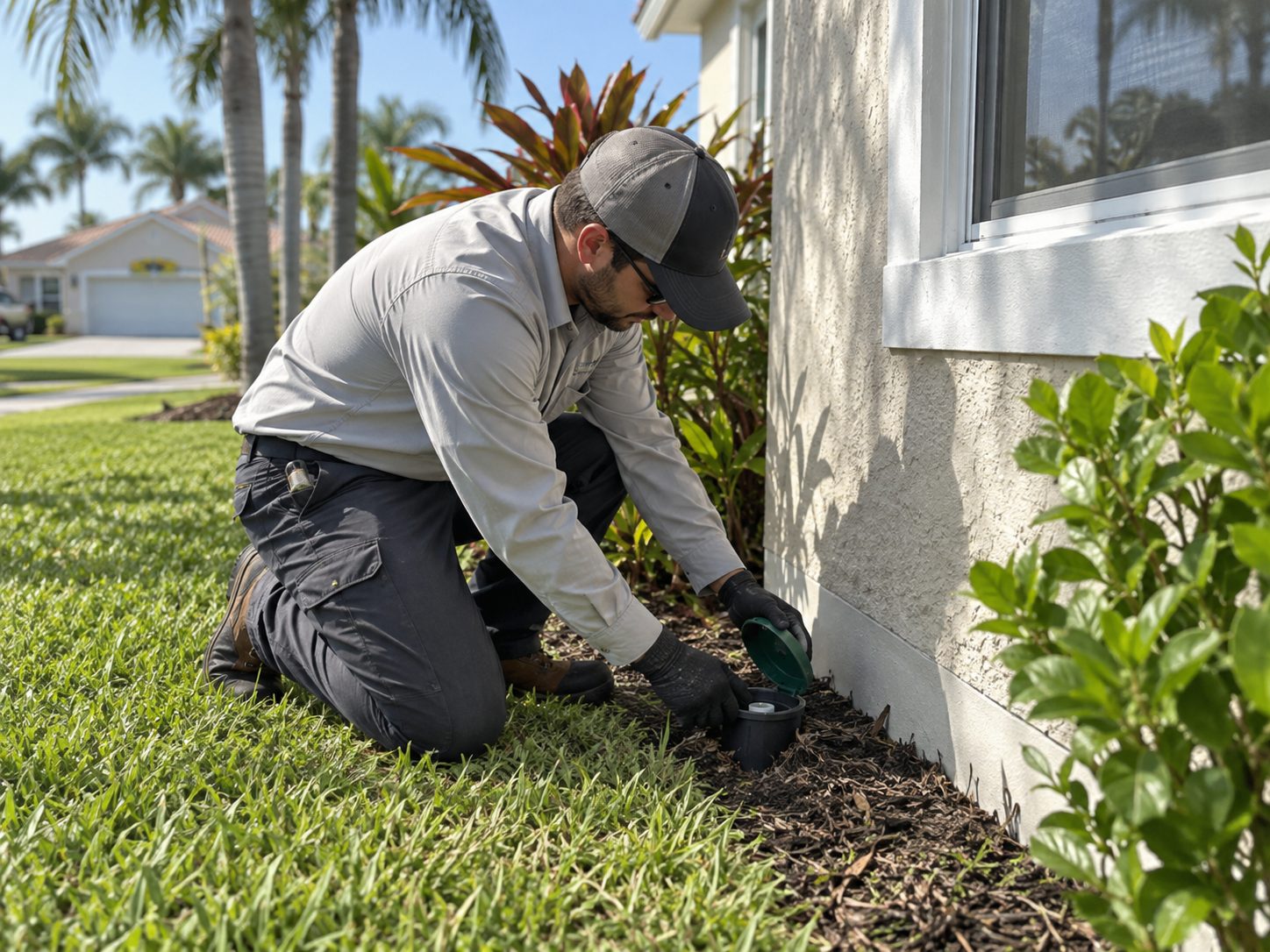
This is the season when professional monitoring earns its keep. A termite bait station is not decorative hardware in the yard. It is a monitoring tool that needs to be checked, interpreted, and serviced correctly. If there is feeding, the timing of bait replacement matters. If there is no feeding, that information matters too. A technician can compare current findings with prior visits and detect changes that a homeowner would never notice.
Soil-applied liquid termiticides also perform best when they are part of a maintained strategy, not a forgotten receipt in a file drawer. Disturbed soil, new utility work, settling, drainage changes, and additions to the home can all affect the continuity of a treatment zone. Summer is when those changes often become visible, especially after heavy rain exposes runoff patterns or standing water near the home.
Fall is the season for correcting risk factors
Fall is underrated in termite prevention. People are thinking about leaves, gutters, and winter preparation, but those chores tie directly into termite risk. Clogged gutters overflow against foundations. Downspouts that discharge too close to the house keep soil wet. Firewood gets stacked against siding. Garden beds are refreshed with thick mulch. Crawl space vents may be blocked or ignored. Each of these issues can make a treated home easier to reinfest or make an untreated home more attractive.
This is also the time when repair decisions should happen before they turn into next year’s infestation points. A leaking hose bib, a rotted fascia board, or a section of fence tied directly into the home may seem minor in October. By spring, it can become part of a much more expensive problem.
A good termite professional does more than check for insects. They point out conditions that support insects. That advice is often where homeowners save the most money, because fixing moisture or wood-contact issues early is much cheaper than replacing structural lumber later.
Winter does not give your house a pass
Winter creates a false sense of safety. Pest calls often drop because people are indoors and visible insect activity is lower. But termites do not need to parade across the kitchen floor to remain a threat. Subterranean termites can keep feeding below the frost line or in protected areas around the structure. Indoors, crawl spaces, plumbing penetrations, and heated slab edges can stay hospitable even in cold weather.
Winter inspections are useful precisely because the landscape is quieter. It can be easier to see foundation walls, exterior wood defects, drainage issues, or mud tubing when vegetation is reduced. This is also a practical time to review records, renew agreements, and decide whether your current termite plan still matches the property. If you added a patio, changed grading, or renovated part of the house, your protection strategy may need adjustment.
A lot of expensive termite jobs begin with a sentence like, “We had treatment done years ago, so we assumed we were covered.” Coverage only matters if the system is still intact, still monitored, and still appropriate for the current conditions.
The methods professionals use, and when each makes sense
Not all termite treatments solve the same problem. The right choice depends on construction type, level of activity, accessibility, and local termite pressure. Professionals usually work with some combination of liquid treatments, bait systems, direct wood treatments, void applications, and recommendations for repairs or moisture management.
Liquid termiticides are often used to create a treated zone in the soil around and under parts of the structure. When applied correctly, they can provide strong protection, especially for subterranean termites. They are often a good fit for homes where trenching and drilling can be done thoroughly and where an immediate protective barrier is desirable. The trade-off is that proper application is detailed work. Obstacles like patios, porches, garages, slab additions, and foundation design can make complete coverage more complex than homeowners realize.
Baiting systems work differently. Instead of relying on a continuous soil barrier, they monitor for termite feeding and deliver bait that termites share within the colony. They can be especially useful where liquid treatment is impractical or where ongoing monitoring is a priority. The trade-off is patience. Baits are effective when installed and serviced properly, but they are not a spray-and-forget shortcut. They require professional attention over time.
Wood treatments and void applications have their place too, particularly when activity is concentrated in a known area or when certain wooden elements are especially vulnerable. These are often part of a broader plan rather than a complete stand-alone answer.
The important point is that credible Termite Control Services do not sell a treatment method in the abstract. They match a method to a structure and a risk profile.
Signs that should prompt a professional inspection
Some termite clues are subtle enough that even careful homeowners miss them. Others are seen clearly but dismissed for too long. If any of the following show up, it is worth scheduling a proper inspection rather than guessing.
- Mud tubes on foundation walls, piers, or inside crawl spaces
- Discarded wings near windows, doors, or light sources
- Wood that sounds hollow or feels soft when lightly pressed
- Paint that bubbles without an obvious leak behind it
- Small piles of pellets or frass near wood trim or sills
These signs do not always confirm the same termite species, and they do not tell you how extensive the problem is. They do tell you that waiting is a bad strategy.
What homeowners can do between service visits
Professional protection works best when the home itself is not helping termites succeed. You do not need to become a pest expert, but a few habits make a meaningful difference over the course of a year.
- Keep soil and mulch from covering weep holes, siding, or wooden trim
- Direct downspouts and irrigation away from the foundation
- Store firewood, lumber, and cardboard well away from the house
- Fix leaks promptly, especially in crawl spaces, basements, and around exterior faucets
- Report any new swarms, wings, tubes, or soft wood to your provider quickly
Those steps sound simple because they are. Their value comes from consistency. Termite prevention usually fails at the margins, where small moisture problems, landscaping choices, or delayed repairs create access that was not there before.
Why annual inspections matter even when no activity is found
Homeowners sometimes feel disappointed when an inspection ends with “no active termites found,” as if the visit produced nothing. In practice, that is often the best possible result, especially when it is supported by a careful review of the property. An inspection is not only a search for live insects. It is a check on the integrity of your defenses and the conditions around the structure.
Annual inspections also establish a record. If there is a change over time, your provider can compare notes instead of working from memory. Was that wood stain visible last year? Did those bait stations show feeding before? Has the grade shifted against the slab since the patio was installed? These details matter. In property management and real estate transactions, they matter even more.
For buyers, sellers, and landlords, termite documentation can influence negotiations and maintenance planning. For long-term homeowners, it reduces guesswork. A home is easier to protect when someone is paying attention to it systematically.
Cost, value, and the real economics of prevention
Termite service is often judged against the price of a single visit, when it should be judged against the cost of hidden damage and delayed response. Minor spot repairs can run a few hundred dollars. Structural repairs involving trim, framing, flooring, wall finishes, or exterior assemblies can move into the thousands quickly. If damage affects a load-bearing area, a roof support, or a heavily finished space, the bill climbs fast.
That does not mean every house needs the most aggressive service available. Overselling happens in every trade. A trustworthy company explains what was found, what species is involved or suspected, what the treatment is intended to do, and what limitations exist. They do not promise a house will never see another termite. No honest professional can say that. They promise a reasoned plan, executed correctly, monitored over time.
The cheapest option is often expensive in disguise. A rushed Termite Control Services perimeter spray that does not address construction details, inaccessible areas, or conducive conditions may create confidence without delivering much protection. On the other hand, a well-designed annual program can prevent years of silent feeding.
Choosing a provider with judgment, not just a sales pitch
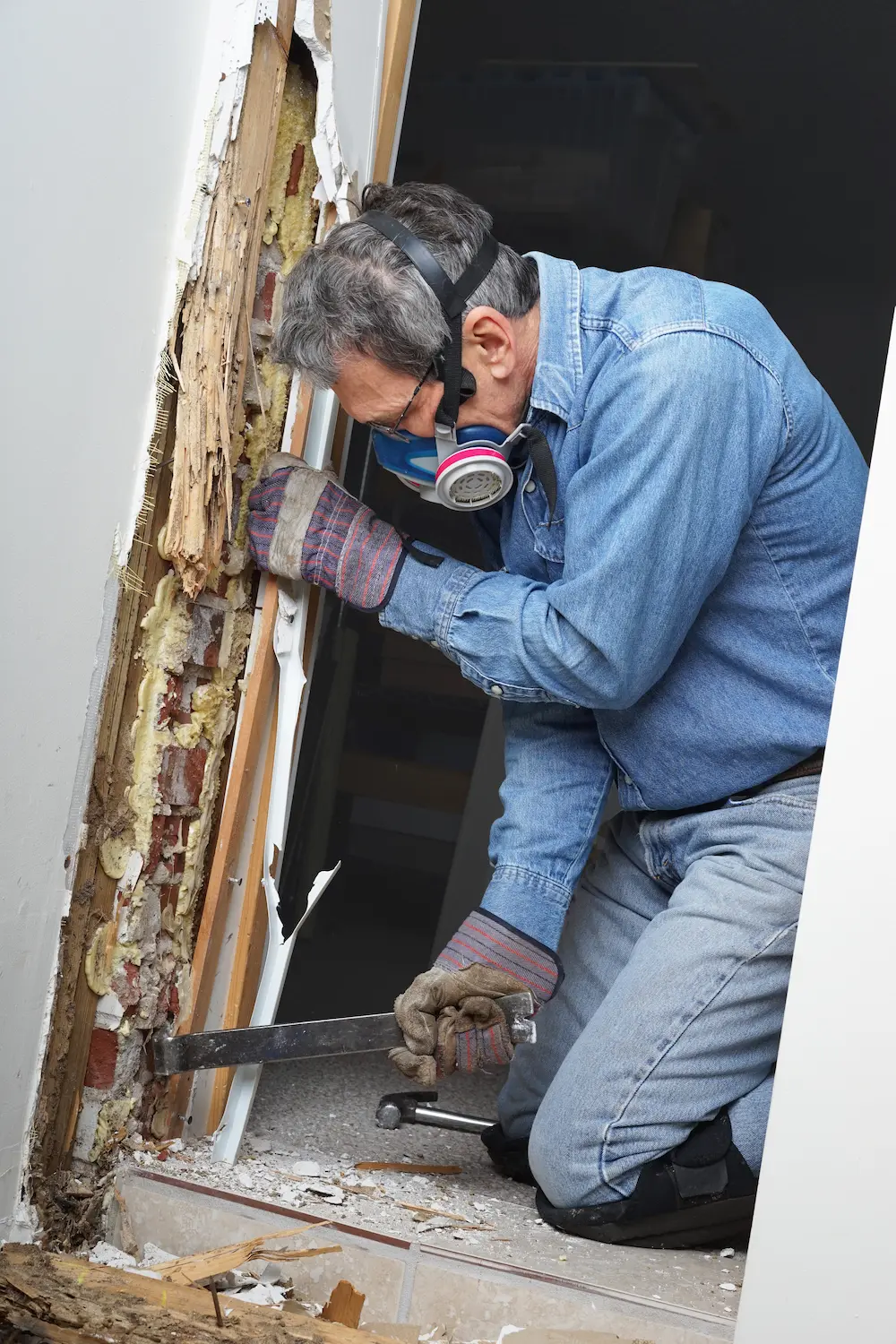
There is a big difference between a termite company that performs a process and one that understands structures. The best inspectors notice things that are not strictly insects but still matter, such as poor grading, untreated wood contact, chronic moisture, hidden access points, and changes made during remodeling. They can explain why one side of the home is at higher risk than the other. They can tell the difference between cosmetic wood issues and signs worth opening a wall for.
When evaluating providers, pay attention to how they inspect, not just what they quote. Do they look inside the crawl space if there is one? Do they check slab joints, garage perimeters, porch attachments, and attic framing when relevant? Do they ask about past infestations, renovations, leaks, or drainage changes? A technician who spends ten hurried minutes at the property is not giving you much information, no matter how polished the paperwork looks.
It is also worth asking what follow-up looks like. If you choose a baiting system, how often is it checked? If a liquid treatment is recommended, what areas will be trenched or drilled? If damage is suspected, will they distinguish between active infestation and old damage? Those are practical questions, and good companies answer them plainly.
The quiet value of a year-round plan
The strongest protection is rarely dramatic. It is a pattern of inspections, measured treatments, follow-up, and maintenance choices that make the home harder to attack and easier to monitor. Most homeowners never see the actual moment termite control proves its worth. They see the absence of a problem that could have become severe.
That is the real role of Termite Control Services. They protect the visible parts of a home by paying attention to the invisible ones. They connect seasons, species behavior, building details, and moisture control into one practical defense. And they reduce the chance that a problem stays hidden long enough to become a major repair.
A home does not need constant alarm, but it does need steady attention. With termites, that steady attention is what keeps a small risk from becoming structural damage. Year-round protection is not about fear. It is about not giving a silent pest a long head start.
Maximum Pest Control
836 NE 7th Terrace Suite #5
Cape Coral, FL 33909
+1 239-772-7363
FAQ About Termite Control Services
What are two signs of a termite infestation?
Mud tubes along a foundation and piles of shed wings near doors or windows are two signs to investigate. Mud tubes are associated with subterranean termites. A licensed inspector can identify the insect and assess whether there is active infestation.
How many years does a termite treatment last?
There is no single timeline for all treatments. The method, site conditions, and maintenance affect how long protection lasts. Bait systems rely on monitoring and service. Ask the provider for the recommended inspection schedule and the terms of any coverage.
Is Termite Treatment Expensive in Cape Coral?
Cost depends on the termite species, the size and construction of the property, the extent of activity, and the treatment method. Request a written estimate after inspection and ask whether monitoring, follow-up visits, and renewals are included.