Signs You Need Expert Termite Control Services Right Away
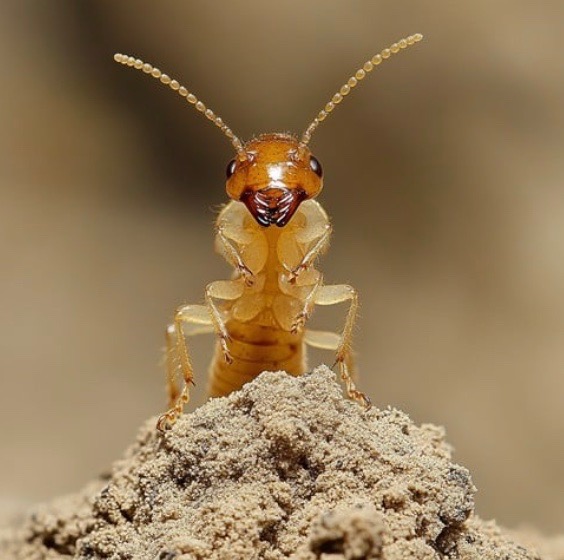
Most termite problems do not announce themselves with a dramatic swarm in the middle of the living room. They build quietly, inside wall voids, behind baseboards, under flooring, and around structural timbers that look perfectly sound from the outside. By the time many homeowners notice something is wrong, the colony has already had months, sometimes years, to feed.
That gap between damage beginning and damage becoming obvious is exactly why timing matters. When people delay professional help, they often do it for understandable reasons. They hope it is just water damage. They assume a few discarded wings are from ants. They tap a suspicious piece of trim, decide it still feels hard enough, and move on. Unfortunately, termites reward hesitation.
If you have started seeing unusual signs around your home, the safest move is not guesswork. It is a prompt inspection by a professional who understands termite behavior, moisture patterns, construction details, and the differences between cosmetic surface issues and active infestation. Good termite technicians do much more than spray and leave. They confirm the species, locate activity, evaluate the extent of risk, and recommend treatment based on how the house is built and where the colony is feeding.
Why termite problems escalate faster than most owners expect
Termites are not interested in making their presence obvious. Subterranean species, which are among the most destructive in many areas, move through mud tubes and hidden channels to stay moist and protected. Drywood termites can remain inside wood members and furniture with surprisingly little visible evidence at first. In both cases, visible signs often trail actual activity.
A lot of homeowners expect severe structural damage to look dramatic. In practice, termite damage often begins subtly. A window sticks. Paint bubbles. A baseboard develops a faint blister. Hardwood flooring starts to lift in one narrow area. None of these clues screams termites on its own. Together, however, they can form a pattern that deserves maximumpests.com Termite Control Services immediate attention.
One of the most expensive misunderstandings I see is the belief that a small visible issue means a small infestation. That is not how colonies work. You might be seeing the one place where hidden activity has finally pushed to the surface. The real problem may be running along sill plates, support posts, crawl spaces, expansion joints, or attic framing where no one looks often.
Mud tubes on walls, foundations, or crawl space supports
Mud tubes are one of the clearest warnings that you need expert Termite Control Services right away. These pencil-thin tunnels are commonly built by subterranean termites to travel between soil and wood while retaining moisture and avoiding open air.
You might spot them on foundation walls, inside a garage, along piers in a crawl space, behind stored items, or where concrete meets framing. People sometimes brush them away, thinking the problem is solved if the tube does not reappear the next day. That can be a costly mistake. A broken tube only tells you the tube is broken. It tells you nothing about whether the colony is still feeding elsewhere.
Professionals read mud tubes like a map. Tube location can suggest where termites are entering, how they are moving through the structure, and what access limitations may affect treatment. In older homes with additions, step foundations, or enclosed porches, tube patterns Termite Control Services can reveal hidden routes that are easy to miss without experience.
If you find even one confirmed mud tube, treat it as an urgent issue, not a weekend chore.
Hollow sounding wood, blistering surfaces, and unexplained soft spots
Wood that looks normal on the surface can be heavily damaged inside. Termites often consume softer spring wood first, leaving a thin outer shell or a layered interior pattern that weakens the board while keeping it visually intact. That is why trim, door frames, subfloors, and exposed beams can seem fine until pressure is applied.
A screwdriver pushing too easily into a windowsill is not just a maintenance annoyance. Flooring that feels slightly spongy near a wall may not be a simple settling issue. Wood that sounds hollow when tapped, especially near moisture-prone areas like bathrooms, kitchens, utility rooms, and exterior doors, deserves close evaluation.
Blistered paint also gets misread all the time. Many owners assume blistering means trapped moisture alone. Sometimes it does. Sometimes moisture is part of the termite story, since damp wood is more attractive and easier for some species to exploit. The key is that termites and moisture damage frequently overlap. Distinguishing one from the other is where professional inspection matters.
A seasoned inspector will probe suspect wood carefully, look for galleries, assess how far deterioration extends, and determine whether repairs can wait until after treatment or need to happen immediately for safety reasons.
Swarming termites or piles of discarded wings
When reproductive termites swarm, they are trying to start new colonies. That is not a minor event. It is one of the strongest signs that termite activity is established nearby, whether inside your structure, directly under it, or close enough to pose a serious threat.
Swarmers are often mistaken for flying ants. The difference matters. Termites typically have straight antennae, broad waists, and two pairs of wings that are similar in length. Ants usually have elbowed antennae, pinched waists, and uneven wing pairs. Most homeowners are not entomologists, and they do not need to be. If you see a swarm indoors, near windows, around light fixtures, or in a basement, garage, or attic, assume it needs professional identification immediately.
Discarded wings can linger on windowsills, near doors, under light sources, or along baseboards. People sweep them up and forget about them. That often erases a critical clue before anyone qualified has seen it. If possible, take a clear photo and save a few specimens in a sealed bag or container for inspection.
Indoor swarms usually carry more urgency than outdoor swarms near mulch or tree stumps, but both deserve attention. Outdoor activity can still indicate pressure around the house, especially where wood-to-soil contact or moisture issues make access easy.
Doors and windows that suddenly become hard to open
Sticky windows and tight-fitting doors are not always seasonal swelling. When wood begins to distort from hidden termite activity or moisture associated with infestation, the first symptom may be simple misalignment. A door that latches poorly, a window that drags, or trim that no longer sits flush can be an early structural clue.
This is one of those warning signs that gets normalized because houses shift naturally over time. The question is not whether movement can happen for innocent reasons. It can. The question is whether the timing and location line up with other suspicious evidence. If a once-smooth back door now binds near a damp threshold, and the adjacent trim shows blistering or softness, that pattern deserves more than a hardware adjustment.
I have seen homeowners plane down doors, recaulk trim, repaint surfaces, and even replace sections of finish material while active termites remained just inches away. Cosmetic fixes often buy silence, not safety.
Frass, pinholes, or tiny wood-colored pellets
Depending on the species, termite evidence can look very different. Drywood termites, for example, can leave behind frass, which resembles tiny pellets or grains. Homeowners sometimes mistake it for sawdust, pepper, or dirt from another source. Carpenter ants and wood-boring beetles can create their own debris as well, which is why species identification matters.
Pinholes in wood surfaces can also be misleading. They may point to exit holes from other insects, finish defects, or age-related wear. But when paired with pellet-like debris beneath a windowsill, door frame, beam, or wooden furniture, they become far more suspicious.
The practical takeaway is simple. Unexplained debris that keeps reappearing after cleaning is a red flag. If it accumulates near wood elements, do not dismiss it. A proper inspection can determine whether you are dealing with termites, another wood-destroying insect, or a non-pest issue.
Sagging floors, cracked trim, or shifting baseboards
By the time floors begin to sag or trim starts separating from walls, you may be looking at damage that has been developing for quite a while. Structural symptoms do not always mean imminent collapse, but they do mean the problem has moved beyond the purely cosmetic stage.
Subfloor damage can create a slight dip you feel underfoot before you see anything obvious. Baseboards may pull away unevenly. Tile can crack because the substrate beneath it is changing. Cabinets installed against affected walls may show tiny gaps or tilting. These issues are often blamed on settling, humidity swings, or old-house character.
Sometimes that explanation is correct. Sometimes it masks active termite feeding in joists, plates, or framing connections. A trained eye can separate normal aging from insect-related deterioration by looking at damage patterns, moisture conditions, construction access points, and live evidence.
When structural symptoms appear, the goal is no longer just elimination of termites. It is coordination between treatment and repair. Treat first, stabilize where needed, then replace damaged wood in an orderly way.
Your home has a history of termites, even if treatment was done before
Past treatment reduces risk, but it does not guarantee permanent protection. Barriers can be disrupted by landscaping, excavation, foundation work, plumbing repairs, slab cracks, drainage changes, or simple passage of time. Bait systems need monitoring. Warranties have terms and limitations. Additions and renovations can create untreated pathways.
This is especially important in homes that changed ownership. New owners often know a property had termite treatment at some point, but they do not know what method was used, when it was last serviced, or whether all conducive conditions were corrected. A treatment record from years ago is useful history, not a present-day all clear.
If your house has had termites before and you notice fresh symptoms, call quickly. Repeat activity is not rare, particularly where moisture, wood contact, or surrounding colony pressure remain unresolved.
Moisture problems are creating ideal termite conditions
Termites and water problems are frequent companions. Leaking hose bibs, poor grading, clogged gutters, unventilated crawl spaces, AC condensate issues, roof leaks, and plumbing drips all create conditions that make wood more attractive and vulnerable. Even if you have not seen clear termite evidence, chronic moisture around structural wood is enough reason to be proactive.
In crawl spaces, the combination of darkness, damp air, cellulose debris, and limited homeowner access makes a perfect environment for activity to go undetected. In slab homes, hidden plumbing leaks can maintain damp zones near expansion joints or penetrations. Around exterior walls, mulch piled too high, dense plantings, and poor drainage can conceal termite entry paths.
This is where expert Termite Control Services differ from a quick surface treatment. The best providers look beyond the insect itself. They identify the environmental conditions that allowed the problem to develop and tell you what must change to reduce the chance of recurrence.
What deserves immediate attention today
If you are unsure how urgent your situation is, a few signs should move to the top of the list right away:
- Active mud tubes on the foundation or crawl space supports
- A swarm of winged insects inside the home
- Wood that feels soft, hollow, or visibly damaged near structural areas
- Repeated piles of wings, pellets, or unexplained insect debris
- Sagging floors or shifting trim combined with moisture issues
Any one of these can justify calling a professional. Two or more together make delay hard to defend.
Why do-it-yourself treatment often falls short
Store-bought sprays and foams can kill visible termites, but visible termites are rarely the whole problem. The colony may be in the soil, inside inaccessible wall cavities, behind insulation, beneath slabs, or in multiple satellite locations. Spot treatment can suppress symptoms while the broader infestation keeps expanding.
There is also the issue of misidentification. I have seen carpenter ant activity treated as termites and termite activity treated as generic household bugs. The products, placement, and strategy differ. Using the wrong approach wastes time and can make later diagnosis harder by disturbing evidence.
Even when the pest is correctly identified, treatment success depends on more than product choice. It depends on where it is applied, how the structure is built, how moisture is managed, whether drilling or trenching is appropriate, whether baiting fits the site, and whether follow-up is built into the plan.
A good termite program is part entomology, part building science, part practical field judgment.
What professionals look for that homeowners usually miss
Inspection is not just about finding bugs. It is about reading the building. Professionals evaluate entry points, foundation type, siding clearance, ventilation, drainage, landscaping, previous repairs, and concealed risk areas. They know where evidence tends to cluster and where hidden damage tends to travel.
They also know the limits of visual inspection. In some houses, especially finished basements, tight crawl spaces, slab construction, or heavily furnished interiors, not every area can be fully viewed. That matters because honest providers explain where access restrictions leave uncertainty. That kind of transparency is worth paying attention to.
During a competent inspection, you should expect discussion around several factors:
- Whether signs point to active infestation, old damage, or both
- Which termite species is most likely involved
- What treatment options fit the structure and severity
- What repairs or moisture corrections should happen alongside treatment
- How monitoring or warranty coverage will work afterward
Those answers help you compare proposals on more than price alone.
Choosing the right response, not just the cheapest one
Homeowners under stress often focus on the bottom-line number first. That is understandable, but termite work is not a commodity purchase. The least expensive quote may cover only a narrow treatment zone, minimal follow-up, or a method that does not address the actual route of infestation.
For example, localized treatment can be appropriate in some drywood cases, especially when the infestation is clearly confined and verified. In many subterranean infestations, however, a broader soil treatment, baiting program, or combined approach may make more sense. The right answer depends on evidence, building design, infestation extent, and your tolerance for future risk.
Ask direct questions. What exactly will be treated? What is the goal, elimination or monitoring or both? How will inaccessible areas be handled? Is there a service agreement? What conditions around the house should you correct to support the treatment?
The strongest providers welcome those questions because they know termite control is not just about immediate kill. It is about long-term risk management.
The cost of waiting is usually not just financial
People often think delay only increases repair cost. It can also increase disruption. Early treatment may involve targeted access and manageable repairs. Late treatment can mean opening walls, replacing flooring, sistering joists, reinforcing support areas, or coordinating pest control with contractors, plumbers, and restoration crews.
There is also the stress factor. Once owners realize termites have been active for some time, every creak in the floor and every stain near the baseboard starts to feel suspicious. Acting early shortens that uncertainty.
If you are seeing signs, trust the pattern rather than waiting for dramatic proof. Termites thrive on being underestimated. A prompt inspection from a reputable company offering expert Termite Control Services can tell you whether you are dealing with active infestation, old damage, conducive conditions, or a completely different issue. That clarity is valuable, and when termites are involved, it is often what prevents a small problem from turning into a major structural one.
Maximum Pest Control
836 NE 7th Terrace Suite #5
Cape Coral, FL 33909
+1 239-772-7363
FAQ About Termite Control Services
What are two signs of a termite infestation?
Mud tubes along a foundation and piles of shed wings near doors or windows are two signs to investigate. Mud tubes are associated with subterranean termites. A licensed inspector can identify the insect and assess whether there is active infestation.
How many years does a termite treatment last?
There is no single timeline for all treatments. The method, site conditions, and maintenance affect how long protection lasts. Bait systems rely on monitoring and service. Ask the provider for the recommended inspection schedule and the terms of any coverage.
Is Termite Treatment Expensive in Cape Coral?
Cost depends on the termite species, the size and construction of the property, the extent of activity, and the treatment method. Request a written estimate after inspection and ask whether monitoring, follow-up visits, and renewals are included.